
Wall Panels for Interior Wall Applications and Practical Use
Home » Wall Panels for Interior Wall Applications and Practical Use
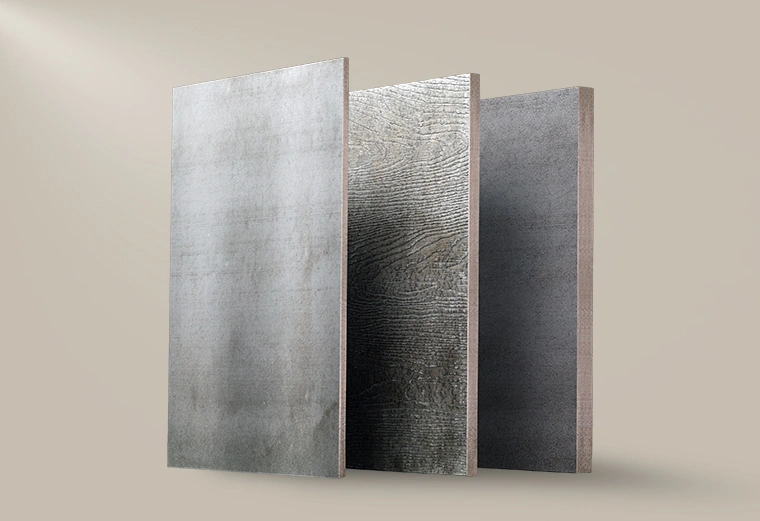
Wall panels are used in interiors where the wall surface needs to stay even and usable over time. They are fixed over walls to create a better base for finishing instead of relying solely on plaster and paint.
In most sites, walls are not perfectly level. Even after putty, small uneven spots remain. You may not notice it immediately, but under lighting or after some time, it starts showing.
Because of such issues, panels are used. The primary purpose of these panels is not decoration, but surface control.
Bison Panel is generally used in such situations where the wall needs to stay stable and not require repeated fixing.
How are wall panels used on site?
A wall panel setup is either fixed on a simple frame or directly over a prepared wall, depending on the condition of the surface.
Once installed, it becomes the working surface for finishing.
You will usually see this type of installation in:
- interior rooms
- office walls
- commercial interiors
At the site level, this method reduces back-and-forth work. Instead of correcting plaster again, a proper surface is created and finished once.
Some contractors prefer this approach because it saves time later, even if the initial step feels extra.
Common Interior Wall Applications
Wall panels are used differently depending on the space. The purpose changes slightly, but the base idea remains the same.
Inside Homes
In houses, panels are mostly used on selected walls. Living rooms, bedroom walls, and places where the wall is always visible. Instead of repainting after some time, a panel surface is made and finished properly.
Some people keep it plain. Some add design. Either way, the board sits behind it doing the actual work.
Office Interiors
In offices, walls are used more roughly compared to homes. Chairs move, equipment is placed, and sometimes drilling happens again for fittings. Because of that, wall panels are used to keep the surface steady.
You will encounter them in cabins, meeting rooms, and work areas. It is more about usage than looks in these spaces.
Reception and Display Areas
Front-facing areas need to look consistent. Even a small patch or unevenness becomes noticeable.
Panels help maintain that clean look. Additionally, the base remains undamaged when adding lighting or branding elements.
High Traffic Spaces
In places like schools, clinics, or public offices, walls face constant use. Cleaning, touching, and sometimes impacting. Paint alone does not handle this well for long. Panels are used here because they hold up better.
What Usually Goes Wrong Without Panels?
This scenario is something you see often on site.
A wall looks fine after painting.
After a few months:
- small cracks appear
- surface starts looking uneven
- touch-ups begin
Occasionally the same wall is repainted more than once.
With wall panels, the finish is not directly dependent on the plaster surface. That reduces these repeated issues.
Painters usually get a more consistent result when working on a panel surface.
Benefits That Show Over Time
The benefit of using panels is not always visible on day one. It shows with use.
- More Controlled Surface: Panels create a flatter base compared to direct wall finishing.
- Less Frequent Repairs: Walls tend to need touch-ups. With panels, the need for repairs reduces in many cases.
- Better Stability: A wall panel installation generally holds alignment better, especially in areas where the wall is used regularly.
- Flexible Finishing: Different finishes can be applied to paint, laminate, or other surface work. No major extra process is required.
- Same Use Across Spaces: The same board can be used in homes, offices, or commercial areas. Only the final finish changes.
Use of Bison Panel in Wall Panelling
The Bison Panel is used in projects where the aim is to avoid repeated surface correction.
It is applied in:
- wall panelling
- partition back panels
- interior feature walls
At the site level, it gives a more predictable finish.
Instead of depending fully on plaster quality, a panel layer is used and finished.
That reduces variation from one wall to another.
Before Choosing Wall Panels
Choosing wall panels depends on how the wall will be used.
A few things are usually checked:
- level of daily contact
- type of area (home or commercial)
- exposure to moisture
- type of finish required
Not every wall needs the same solution.
A bedroom wall is different from a corridor or office partition.
After Some Time: The Real Difference
On day one, everything looks fine. After some time, the difference becomes clearer.
Some walls show patches or marks. Some need repainting.
Panelled walls usually stay more consistent. That is where the actual value shows.
Conclusion
Wall panels are used in interiors to create a more stable wall surface that holds up over time. We apply them in homes, offices, and commercial spaces to reduce the need for repeated maintenance.
Bison Panel is used in these applications to provide a consistent base for finishing and to avoid common surface issues seen with regular wall work.
In most cases, the choice comes down to whether the wall should look appealing now or continue to stay that way later.
FAQs
1. Where are wall panels used?
Wall panels are used in homes, offices, and commercial spaces, mainly on walls that need a stable and clean finish.
2. Do wall panels reduce maintenance?
Yes, they help reduce repainting and repeated surface repair work.
3. Are wall panels only for design?
No, they are also used to improve wall stability and durability.
4. Can wall panels be used in high-use areas?
Yes, they are suitable for areas where walls face regular contact.
5. When should wall panels be installed?
They are usually installed during the interior stage before final finishing.