
Soundproof Board for Interior Sound Control and Noise Reduction
Home » Soundproof Board for Interior Sound Control and Noise Reduction
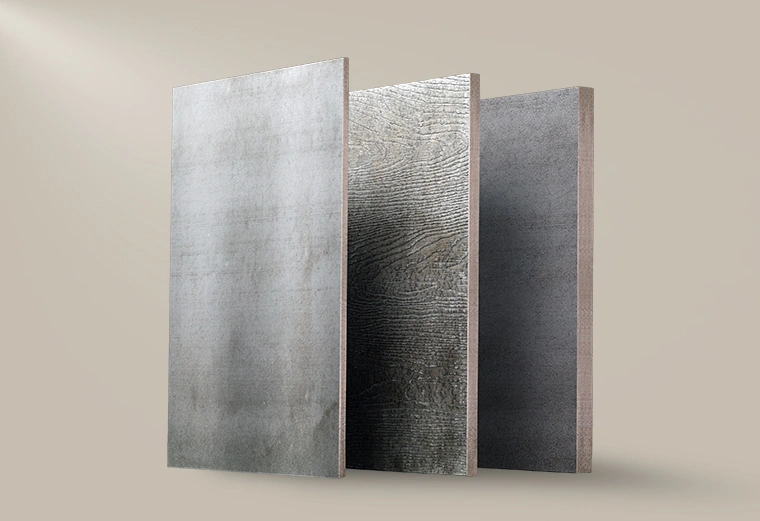
A soundproof board is used in interior work where sound needs to be controlled between spaces. It is applied in walls, ceilings, and partitions to reduce noise movement and improve how sound behaves inside a room.
The goal of using this material is not to block noise completely. It is to reduce disturbance, control echo, and make the space more usable.
Bison Panel is used when both surface strength and sound control are needed.
Where Is It Used in Actual Projects?
A soundproof board is usually not limited to one area. In most sites, it is used across different parts of the same interior.
You will see it in:
- wall panel systems
- ceiling layouts
- partition setups
- meeting rooms and cabins
Sometimes it is added later when noise becomes a problem. But in better-planned projects, it is considered early.
That makes a difference.
Why Does Sound Control Become Important?
People often notice sound issues only after they start using the space.
Voices carry from one room to another.
Ceilings reflect sound into the room.
Open areas start feeling noisy even with fewer people.
This phenomenon is common in:
- offices
- shared workspaces
- homes with multiple rooms
- commercial interiors
A soundproof board helps reduce these problems when used correctly within the system.
What Actually Happens with Sound?
Sound does not stay in one place. It moves through surfaces and reflects.
Rigid surfaces tend to bounce sound. Open layouts allow it to travel further.
A soundproof board adds density to the surface. That slows down how sound passes through and reduces the amount that reflects.
It does not make the room silent. It makes it controlled. That is usually what is needed.
Wall Systems and Noise Reduction?
Walls are one of the main paths for sound movement.
In regular construction, there may not be enough to control noise, especially between working areas or rooms that need privacy.
This scenario is where a soundproof board is used within wall systems.
It helps:
- reduce sound transfer
- improve the separation between rooms
- keep conversations contained
In offices, this effect is noticeable in cabins and meeting rooms.
In homes, it helps in bedrooms or study areas where outside noise can be distracting.
Ceiling Panels and Echo Control
Ceilings affect how sound behaves inside a room more than most people expect.
If the ceiling surface is untreated, sound reflects and builds up. The room starts feeling louder than it should.
Using a soundproof board in ceiling systems helps reduce this reflection.
You will see this effect in the following sections:
- offices
- classrooms
- commercial spaces
- halls and shared areas
Typically, users experience the difference during use rather than seeing it after installation.
Partitions That Actually Separate Sound
Partitions are common in modern layouts, but not all of them stop sound effectively.
Without the right material, they only divide space visually.
A soundproof board improves partition performance by adding density and reducing sound leakage.
This product is useful for:
- workstations
- manager cabins
- meeting areas
- retail sections
It allows spaces to stay connected in layout, but still controlled in terms of noise.
Acoustic Properties That Matter on Site
Before selecting a board for sound control, we check a few things at the site level.
Not in technical terms, but in practical ones.
- Density: Heavier boards usually perform better in reducing sound movement.
- Fit and Installation: If there are gaps, the performance drops. Even a high-quality board will not work properly if installed incorrectly.
- Stability Over Time: The board should not shift or loosen. That affects both structure and sound control.
- System Compatibility: Most of the time, the board is part of a larger setup – framing, insulation, and finishing. It should work well with all of these.
A soundproof board that meets these points tends to perform better in real conditions.
What Changes After Installation?
The difference is not dramatic in appearance.
But in use, it becomes clear.
- Rooms feel quieter.
- Voices do not travel as much.
- Echo reduces.
In offices, people notice it during conversations. In homes, it shows in how calm the space feels, especially at night.
Why is the Bison panel used in acoustic applications?
The Bison Panel is used where sound control is needed along with a stable surface.
It is applied in:
- wall systems
- ceilings
- partitions
Instead of using one material for strength and another for sound control, the same board can support both.
This simplifies the process during construction. Less switching between materials. Fewer adjustments.
Before Choosing a Soundproof Board
A few things are usually considered before final selection.
- where the board will be used
- how much sound control is needed
- the type of space
- whether additional layers will be added
Soundproofing is not only about the board. It depends on the full setup.
Still, choosing the right board is an important part of it.
Conclusion
A soundproof board is used in interiors to reduce noise movement and improve acoustic conditions across walls, ceilings, and partitions.
It supports both functional and design needs by helping spaces remain quieter and more controlled during use.
Bison Panel fits into these requirements by offering a board that works across multiple interior applications without needing separate materials for each.
FAQs
- What is a soundproof board used for?
To cut down noise. Mostly between rooms. Also helps a bit with echo.
- Can it block all sound?
No, not fully. It reduces sound. Full soundproofing needs more than just the board.
- Where do people usually use it?
Walls, ceilings. Offices use it a lot in cabins and meeting rooms.
- Does it actually help?
Yes, you’ll notice it more once the space is in use.
- Does fitting matter?
Yes, a lot. If there are gaps, it won’t work properly.