
Sound Insulation Panels for Walls, Partitions and Interior Noise Control
Home » Sound Insulation Panels for Walls, Partitions and Interior Noise Control
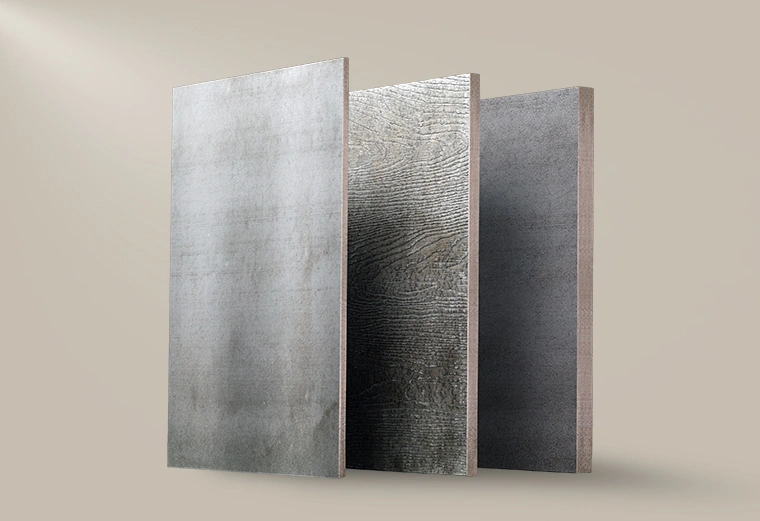
Sound insulation panels are used in interior work where sound from one space should not easily move into another. They are fitted to walls, partitions, and ceiling sections, depending on how the layout is planned.
In most projects, this feature is not added later. It is decided while the wall or partition is being built. Once the space starts running, fixing sound issues becomes difficult, so the issue is usually handled early.
Bison Panel is used when the same board is expected to support the structure and help with sound control.
Where do sound issues usually start showing?
Initially, after completing the work, everything appears quiet.
After some time, it changes.
- You start noticing voices from the next room.
- In offices, cabin discussions carry outside.
- In larger rooms, sound comes back as an echo.
This is common. It is not a defect. It just means sound is moving freely through surfaces.
Basic walls slow it down, but they do not stop it fully. That is why sound insulation panels are included as part of the system.
What do these panels actually do?
Sound does not only pass through gaps. It travels through solid surfaces as well.
A sound insulation panel setup works by making that path harder.
Instead of a single layer, there are additional surfaces. The panel adds density. That reduces how much sound can pass through.
It does not make the space silent. In normal construction, that is not the goal.
What it does is reduce disturbance to a level where the space feels usable.
How’s it done on-site? (Not Just on Paper)
No fixed method works everywhere. However, some tasks are common across most projects.
Layering of Walls
Instead of relying solely on one wall, extra layers are added.
Boards are fixed over frames or supports. This increases resistance to sound movement.
This area is where boards like Bison Panel are used. They sit as part of the wall system, not as decoration.
Partitions in Offices
In many offices, full walls are not used everywhere.
Partitions are installed instead.
These often include sound insulation panels, especially for cabins and meeting areas. Without these barriers, even low-volume conversations can be heard outside.
It becomes a problem only after people start using the space.
Ceiling Surfaces
Sound also moves upward and reflects.
In some rooms, especially larger ones, the ceiling creates a slight echo. The echo is not always strong, but it is definitely noticeable.
Ceiling panels help reduce the echo. The effect is not dramatic, but it makes the space feel more controlled.
Small Gaps That Make a Big Difference
Even when panels are used, gaps can spoil the result.
Edges, joints, and corners are checked during installation.
On-site, this process is taken seriously. A small opening is enough for sound to pass.
Where Are Sound Insulation Panels Used?
Sound insulation panels are used in different types of spaces. Not all for the same reason.
In homes, it is usually for comfort.
It is more about privacy in offices.
In commercial spaces, it is about control.
You will see them in:
- bedrooms and study areas
- office cabins and meeting rooms
- hospitals and classrooms
- retail interiors
Studios employ a more cautious approach, but their requirements differ significantly.
What do you notice after some time?
The difference is not always immediate.
For a few days, everything feels normal.
Then gradually:
- Noise becomes noticeable
- conversations start carrying
- The echo shows up in certain areas
This is where sound insulation panels start making sense.
Spaces feel quieter. While they may not be silent, they do make spaces more usable.
People don’t usually notice when it works. They notice when it doesn’t.
Why is the Bison panel used in these situations?
The Bison Panel is used where one material needs to handle more than one role.
It is fitted in:
- walls
- partitions
- ceiling sections
The board adds weight and density to the surface, which helps reduce sound movement.
At the same time, it stays stable as part of the structure. That is important because these are not temporary installations.
In many projects, this approach avoids the need to bring in separate materials just for sound control.
Before Finalising the Panel
A few things are usually checked.
- How much noise is expected?
- Is it a cabin, a room, or a larger area?
- How is the wall or partition built?
Not every place needs the same level of insulation.
Furthermore, the way it is installed matters. A satisfactory panel only performs properly if it is fitted perfectly.
Conclusion
Sound insulation panels are used in interior construction to reduce sound movement and make spaces easier to use. They are fitted into walls, partitions, and ceilings, depending on the requirements.
The Bison Panel is used in systems that require both structural support and sound control.
FAQs
1. Where are sound insulation panels generally used?
They are used in walls, partitions, ceilings, homes, offices, and commercial spaces where sound needs to be controlled.
2. Do they completely block sound?
No. They reduce sound movement. Complete soundproofing depends on the full system.
3. Are they useful in homes?
Yes. Bedrooms, study rooms and home offices benefit from reduced noise.
4. Are they used in office cabins?
Yes, especially where privacy is required.
5. Does installation affect results?
Yes. Even small gaps can reduce effectiveness.