Waterproof Board for Moisture-Prone Areas and Interior Applications
Home » Waterproof Board for Moisture-Prone Areas and Interior Applications
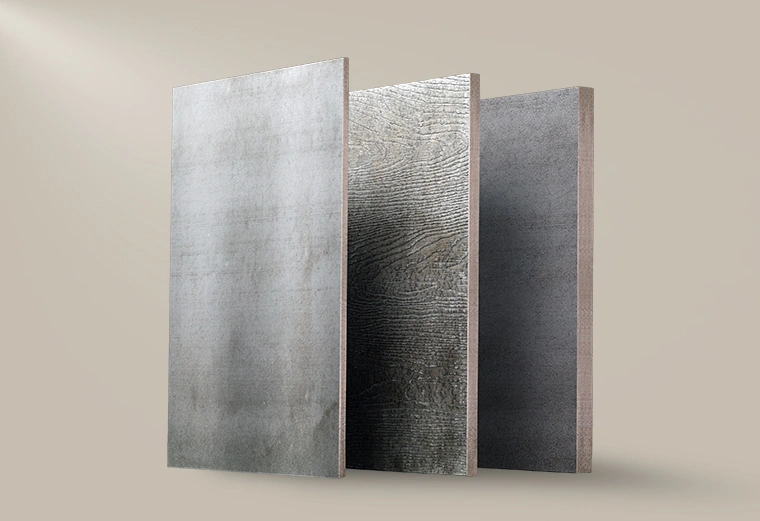
A waterproof board is used in construction where surfaces are exposed to moisture, humidity, or regular water contact. It is applied to walls, ceilings, partitions, and base structures that stay stable even in damp conditions.
In interior work, moisture is one of the most common reasons for surface damage. Paint starts peeling. Boards begin to swell. Corners weaken first, then the rest follow.
Because of these changes, material selection becomes important at the planning stage itself.
Bison Panel is used in such conditions where a board is expected to hold its form and surface even when exposed to moisture over time.
What is a Waterproof Board Used For?
A waterproof board 5o is not limited to wet areas alone. It is used anywhere there is a chance of moisture exposure, even if it is not visible.
Common applications include:
- bathroom wall backing
- kitchen interiors
- utility areas
- ceiling sections near water lines
- partitions in humid environments
Often, the surface may look dry, but moisture builds up slowly. This scenario is where the difference shows after a few months.
Boards that are not suited for such conditions begin to change shape or lose strength.
Why Does Moisture Protection Matter in Interiors?
Moisture damage does not usually appear on day one.
At first, everything looks fine. The finish is clean. The paint sits well.
Then small signs begin to show:
- slight swelling at edges
- surface bubbles
- uneven patches
- loose joints
Painters and carpenters notice this early. For others, it becomes visible later.
A waterproof board helps reduce these issues because it does not absorb moisture the same way standard boards do.
This feature is especially important in areas where the following are true:
- Water usage is frequent
- Ventilation is limited
- Humidity remains high
Usage in Bathroom and Wet Areas
Bathrooms are one of the most common places where waterproof boards are required.
Walls in these areas are exposed to:
- direct water contact
- steam
- constant humidity
Even if tiles are used on the surface, the base layer still matters.
If the base weakens, the finish starts failing.
A waterproof board is used behind tiles or wall finishes to provide a stable base. It helps keep the structure intact even when the outer layer is exposed to water.
In many projects, this issue becomes clear only after some time, when repairs start happening.
Kitchen Applications Where Moisture Is Constant
Kitchens are not always treated as wet areas, but they deal with moisture every day.
There are:
- steam from cooking
- water near sinks
- occasional spills
Over time, such exposure affects cabinets, wall panels, and backing surfaces.
A waterproof board is used in such areas because it holds better under these conditions.
It is commonly applied in the following:
- cabinet backing
- wall panels behind counters
- storage areas
This approach helps maintain the interior structure without frequent replacement.
Ceiling and Utility Area Applications
Moisture is not always limited to walls.
In many buildings, ceilings near water pipelines or AC ducts are exposed to condensation.
If the board used here is not suitable, it may start sagging or showing patches.
A waterproof board is used in such ceiling sections to maintain stability.
Utility areas like wash zones or service rooms also require boards that can handle damp conditions without damage.
Partition Systems in Humid Environments
Partitions are often used in offices, commercial kitchens, hospitals, and service areas.
In some of these spaces, humidity remains high throughout the day.
A standard board may not perform well in such environments.
This scenario is where a waterproof board is used to create partitions that remain stable.
It helps maintain:
- structural integrity
- surface alignment
- overall finish
Such an approach reduces the need for frequent adjustments or repairs.
What Happens When the Wrong Board Is Used?
The issue becomes clear only after some time.
Initially, the difference is not visible.
After a few months:
- edges begin to swell
- screws loosen slightly
- surfaces lose alignment
In some cases, repainting or refixing is required earlier than expected.
At the site level, such issues lead to extra work.
That is why material choice at the beginning matters more than it seems.
Why is Bison Panel Used as a Waterproof Board?
The Bison Panel is used in projects with moisture resistance and structural stability.
It is applied in:
- wet area wall systems
- kitchen interiors
- ceiling sections
- partitions in humid spaces
Instead of switching between different materials, the same board can be used across multiple applications.
This simplifies both planning and execution.
- For contractors, it reduces confusion.
- For designers, it keeps the finish consistent.
Things to Check Before Selecting a Waterproof Board
Before choosing a waterproof board, a few practical points are usually considered:
- where the board will be installed
- level of moisture exposure
- type of finish applied on top
- expected usage over time
Not all moisture conditions are the same.
A bathroom wall, a kitchen cabinet, and a ceiling panel may all face different types of exposure.
Selecting accordingly helps avoid future issues.
Long-Term Performance in Moisture Conditions
The real test of a board starts after installation.
In the first few weeks, everything looks stable.
After months of exposure:
- Some boards begin to show changes
- Some hold their form
This scenario is where a waterproof board proves its value.
It continues to support the surface without visible damage.
This reduces maintenance effort and keeps the interior looking consistent.
Conclusion
A waterproof board is used in interior applications where moisture resistance is necessary for long-term performance. From bathrooms and kitchens to ceilings and partitions, it helps maintain stability in areas exposed to humidity and water.
Bison Panel offers a solution that meets these requirements by enabling a single board across various moisture-prone applications.
In most projects, the benefit is not immediate. It becomes visible over time when the surface continues to hold without frequent repair.
FAQs
- Where is a waterproof board usually used?
Mostly in bathrooms, kitchens, and utility areas. Anywhere moisture stays for long.
- Can it be used behind wall tiles?
Yes, in fact, it’s often used as a base where tiles are fixed in wet areas.
- Does it work for ceiling sections?
It is used in ceilings where there is a chance of dampness or pipeline moisture.
- Will it reduce damage over time?
It helps avoid common issues like swelling, surface damage, and early repairs.
- Why is the Bison panel used for this purpose?
It is used where one board needs to handle moisture across walls, ceilings, and partitions.