Weatherproof Board That Holds Up in Outdoor Conditions
Home » Weatherproof Board That Holds Up in Outdoor Conditions
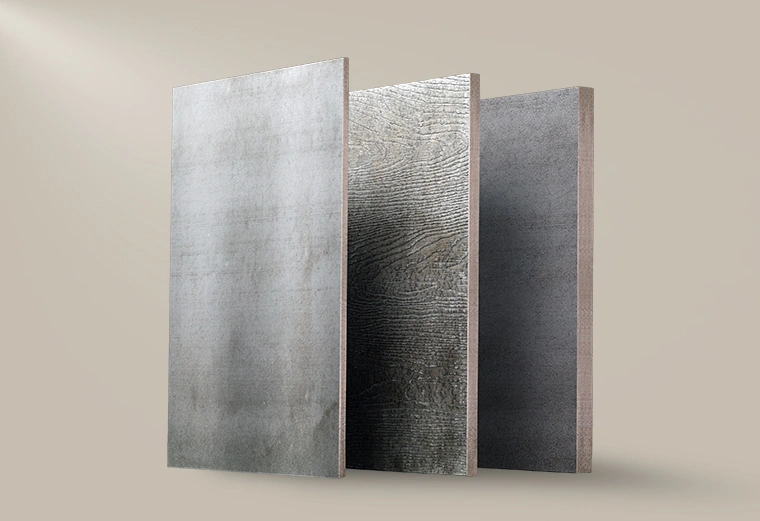
A weatherproof board is used in exterior and semi-exposed areas where materials are expected to handle moisture, heat, and regular environmental changes. It is commonly applied in cladding, facades, partitions, and prefabricated structures.
In outdoor conditions, materials are not tested once; they are tested every day. That is where the difference between a standard board and a weatherproof board shows.
The Bison Panel is used in such applications where the requirement is not just an initial finish but long-term stability.
Not Every Material Performs Well Outdoors
In many projects, surfaces look fine when newly installed.
After one monsoon cycle, the situation often changes.
- Edges begin to swell.
- Surfaces lose alignment.
- Paint starts coming off in patches.
This does not happen immediately. It builds up slowly.
That is usually the result of using materials that are not designed for outdoor exposure.
A weatherproof board is meant to avoid these issues, not just at the beginning but after repeated exposure.
What Makes a Weatherproof Board Different?
Outdoor conditions are not limited to rain.
There are:
- continuous humidity
- heat exposure
- temperature variation
- dust and surface wear
A weatherproof board is expected to handle all of these together.
The Bison Panel is made using cement and wood particles. This combination gives it a certain balance. It stays strong, but at the same time, it can be cut and fixed without much difficulty.
Once installed, it does not shift easily.
Handles Moisture Without Losing Shape
Moisture exposure is not always direct.
In many areas, it stays in the air throughout the year.
This kind of exposure affects most materials slowly.
Boards absorb moisture and expand over time, and small cracks appear.
With Bison Panel, this change is much less noticeable.
As a weatherproof board, it resists moisture absorption to a large extent. It doesn’t grow the way regular boards do, even with prolonged exposure.
That reduces the chances of surface damage later.
Strength That Works in Outdoor Use
Outdoor applications involve more than just weather.
- There is wind pressure.
- There is a physical impact.
- There is constant exposure.
A board that is not stable will start showing signs early.
Bison Panel remains firm in such conditions.
- It does not bend easily.
- It holds fasteners properly.
- It supports structural applications where required.
Because of its strength, it is used in areas where the material needs to stay in place without frequent adjustment.
Heat Exposure and Surface Stability
Heat is often underestimated in outdoor applications.
Unlike rain, its effect is gradual.
Continuous exposure to sunlight can lead to:
- expansion
- surface cracks
- Weakening of the finish
A reliable weatherproof board should handle heat along with moisture.
Bison Panel maintains its form under heat. It does not become soft or brittle easily. With proper finishing, the surface continues to remain stable.
Resistance to Termite Damage
Outdoor structures are often exposed to pests.
Termites are a common concern, especially in boards that contain wood content.
Since Bison Panel includes cement in its composition, it does not provide the same environment for termite activity.
This reduces the risk of internal damage over time.
Where Does It Fit in Actual Projects?
A weatherproof board shows its value only when it is used in real conditions. That is where Bison Panel is commonly applied.
- Exterior Cladding That Holds Shape: Cladding faces direct exposure every day. Rain, sun, and dust all act on the surface. Bison Panel does not react quickly to these changes. It stays stable and supports different surface finishes without frequent rework.
- Facades That Stay Consistent: Building exteriors need to maintain their appearance over time. Using a weatherproof board helps reduce visible wear. The surface remains aligned, and applied coatings last longer.
- Outdoor Partitions: Partitions in semi-open spaces are often exposed to both moisture and heat. Standard boards tend to weaken over time. Bison Panel continues to hold its structure without shifting.
- Prefab Structures and Panel Systems: Prefab construction requires materials that are easy to install and reliable after installation. The bison panel fits this requirement. It allows faster setup while maintaining structural stability.
What Changes Over Time?
The real difference is not visible immediately.
Most materials perform well at first.
After some time, differences appear.
With Bison Panel:
- surfaces remain more stable
- edges do not break down easily
- Fewer repairs are required
- alignment stays intact
That is where a weatherproof board proves its purpose.
Ease of Use on Site
Durability is important, but so is usability during installation.
Bison Panel does not require complex handling.
- It can be cut using standard tools.
- It supports regular fixing methods.
- It works with common installation practices.
This feature makes it easier to use across different types of projects.
A Practical Choice for Long-Term Use
Short-term material selection often leads to repeated maintenance.
- Surface repairs.
- Replacements.
- Repainting cycles.
These add up over time.
Using a weatherproof board early helps reduce these issues. The Bison Panel is used with that approach, where consistency matters more than a short-term finish.
Where Is It Commonly Used?
Bison Panel is used in the following:
- residential exterior walls
- commercial buildings
- industrial structures
- institutional projects
- prefabricated units
In areas where outdoor durability is required, it fits without major adjustments.
Conclusion
A weatherproof board is used where materials are exposed to changing environmental conditions. It supports both surface finish and structural stability over time.
Bison Panel is applied in such conditions where the requirement is consistent performance, not just initial appearance.
It does not require attention once installed. It continues to perform under regular exposure.
FAQs
- Where do people actually use a weatherproof board?
Mostly outside. Cladding, outer walls, and sometimes partitions in semi-open areas. Basically, where the surface stays exposed.
- What happens during heavy rain?
If it’s a proper weatherproof board, nothing much. It doesn’t soak and swell the way regular boards do.
- Is it only for big projects or even homes?
Not just big sites. It’s used in houses too, especially for exterior parts, where maintenance becomes a problem later.
- Do you need anything special to install it?
No, regular tools work. The process doesn’t change much for the team on-site.
- When does the difference actually show?
Not immediately. After a few months, maybe a season or two, that’s when you notice fewer issues compared to normal boards.