
Panelling Board That Brings Strength and Style to Every Interior
Home » Panelling Board That Brings Strength and Style to Every Interior
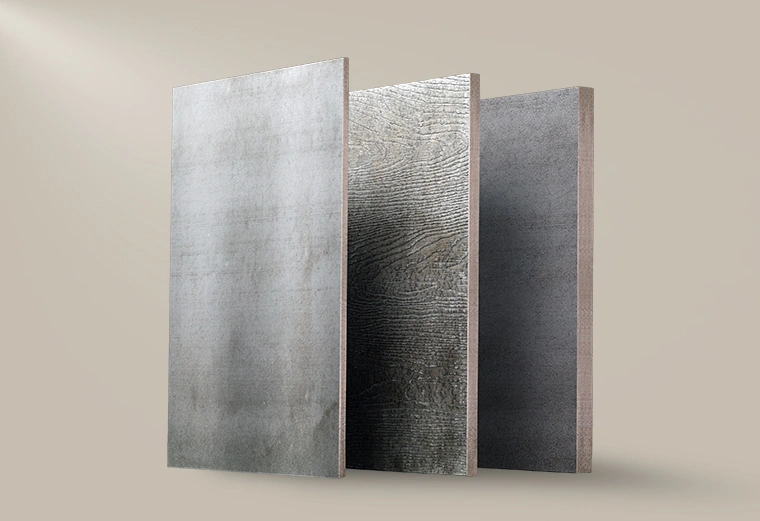
What is a Panelling Board?
A panelling board is used in interior work where a stable surface and a finished look are required. It is commonly applied in wall panelling, ceilings, partitions, and built-in structures across residential and commercial spaces.
In most projects, it works as a base layer that supports the final finish. At the same time, it adds strength to the structure it is used in. Because of these benefits, panelling boards are now part of both design planning and execution, not just finishing.
The Bison Panel is used in applications where the requirement extends beyond appearance to long-term performance.
Where are the Panelling Boards Actually Used?
A panelling board is rarely used for just one purpose. A typical interior project often showcases the same board in various locations.
For example, it is used in wall panelling, then again in partitions, and sometimes even in ceilings or furniture backings. Modern interiors prefer this versatility for various reasons. It reduces the need to switch between different materials.
At the site level, this approach also makes things simpler. Fewer materials, fewer adjustments.
Why Has It Become Common in Interior Work?
Interior design has changed quite a bit over the years.
Earlier, the walls were finished, furniture was placed, and that was enough. Now the expectation is different. Surfaces are expected to look better and also stay that way.
A panelling board helps with that balance.
It gives a surface that is
- more controlled
- easier to finish
- less prone to frequent repair
It does not mean that other materials cannot be used. They can. But often, they do not hold up the same way when usage increases.
Wall panelling and surface design?
Wall panelling is probably where panel boards are most noticeable.
Instead of leaving walls plain, panels are used to create sections, lines, or simple patterns. Occasionally, it is minimal. Occasionally, it is more detailed.
You will see these variations in the following sections:
- living rooms
- bedrooms
- office cabins
- reception areas
A panelling board sits behind all these designs. It does not draw attention directly, but the finish looks different without it.
Some designers prefer straight panels. Others try layered layouts. The approach changes from project to project.
The base requirement stays the same: a surface that stays in place.
Ceiling Applications That Need a Clean Finish
Ceilings are usually overlooked, but poor workmanship is noticeable.
Panelling boards are used in ceiling work mainly to create a proper base. This step is important when:
- wiring needs to be covered
- lighting is installed
- ducts or fittings are hidden
In many commercial spaces, ceilings undergo constant use of lighting, heat, maintenance work, and adjustments.
Therefore, the board used here should not shift or weaken easily.
Partitions and Space Division
In offices and even in some homes, spaces are divided without building full walls.
This is where a panelling board is used for partitions.
You will see it in:
- office cabins
- meeting areas
- study spaces
- shop layouts
It helps create separation without making the place feel closed.
Furthermore, from a work perspective, it saves time. A partition setup is quicker compared to traditional construction.
Use in Furniture and Fixed Structures
We also use panelling boards in areas that people handle daily.
Design discussions may not always highlight wardrobes, cabinets, and storage units, but they play a significant role in daily use.
The board used here needs to stay stable.
If the board begins to bend or loosen, it affects the entire unit.
That is why a reliable panel board is chosen even for these parts, not just for visible surfaces.
Commercial Interior Applications
Commercial spaces are different from homes.
There is more movement. More usage. More pressure on surfaces.
Panelling boards are used here because they help maintain a consistent finish even with regular use.
Common places include:
- offices
- schools
- hospitals
- retail stores
The idea is simple. The surface should not need constant fixing.
Why is the Bison panel used in these applications?
Bison Panel is used across interior projects where the same board needs to perform in different roles.
It is applied in:
- walls
- ceilings
- partitions
- furniture structures
This approach reduces the need for dependency on multiple materials.
From a site perspective, it makes planning easier. From a design perspective, it keeps the finish consistent.
Choosing the Right Panelling Board
Not every panelling board will behave the same way.
Before selecting, a few things are usually considered:
- where it will be used
- How much usage the area will see
- whether it will be exposed to moisture or heat
For example, a ceiling panel and a furniture unit may not need the same type of board.
These small decisions affect how the interior performs later.
What Changes Over Time?
On day one, most interiors look fine.
The difference starts showing after some time.
Some surfaces begin to wear out. Some lose alignment. Some need frequent repair.
An excellent panelling board helps reduce these issues.
It supports the finish and keeps the structure steady.
Conclusion
A panelling board is used across different parts of an interior project, from wall panelling to partitions and ceilings.
It plays a role in both the look and the performance of a space.
Bison Panel fits into these requirements by allowing a single material to be used in multiple applications, making the process more straightforward during execution.
FAQs
- Where is a cement panel board used most?
The most common uses for cement panel boards are in wall panelling and partitions. On some sites, work may include ceilings or even outdoor tasks.
- Is it better than plywood?
Depends. For dry areas, plywood works. But where moisture comes in, the board usually holds better.
- Can it be used in kitchens?
Yes, people use it, especially near sinks or heat zones, where other boards react.
- Is it difficult to install?
Not really. Cutting, fixing, and normal tools work. After one job, workers get used to it.
- Will it need repairs later?
Fewer chances. Nothing is perfect, but this doesn’t start giving issues too early.