
Heat-Resistant Wall Panels for Interior and High-Temperature Use
Home » Heat-Resistant Wall Panels for Interior and High-Temperature Use
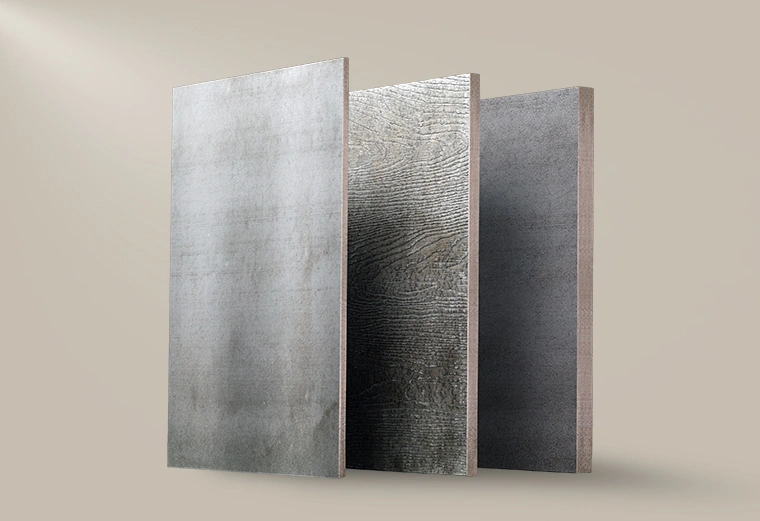
Heat-resistant wall panels are used in spaces where wall surfaces are exposed to heat during regular use. These panels are selected when standard wall materials may not hold up well over time.
They are commonly used in kitchens, commercial interiors, service areas, and workspaces where heat builds up during the day. In such places, the wall is not just for decoration. It also needs to stay stable.
The Bison Panel is used in these situations where both surface finish and durability matter.
What Are Heat-Resistant Wall Panels Used For?
A heat-resistant wall panel system is mainly used to protect wall surfaces from heat-related damage.
At the site level, such usage usually means areas where:
- heat stays trapped for long hours
- The temperature keeps changing.
- The walls are close to the equipment or lighting.
In many projects, ordinary boards or wall finishes change over time. Not immediately. It takes a few months.
First, it is not very visible. Then slowly:
- The surface may shift slightly
- Joints start showing
- Finishing lines don’t look as clean
This stage is where heat-resistant panels are preferred. They are not used for looks alone. They are used because the wall needs support.
Why does heat become a problem in interiors?
Heat does not damage everything at once. It works slowly.
- It comes from cooking in a kitchen.
- In offices, it comes from light and closed spaces.
- In some areas, it is because there is no proper airflow.
The effect builds up.
Painters usually notice it earlier than others. The finish does not sit the same way after some time.
Contractors also see these changes during maintenance work. Small corrections start coming in.
Using heat-resistant wall panels helps reduce this cycle.
Common Wall Applications:
These panels are mostly used in areas with regular heat exposure rather than occasional.
Kitchen Walls:
This scenario is the most common case.
Walls near cooking areas go through:
- direct heat
- steam
- temperature change throughout the day
At first, everything looks fine. Later, the surface may begin to react.
That is why heat-resistant panels are used here. This is not a design decision, but rather a precaution against future rework.
Commercial Interiors:
In offices and shops, heat builds up differently. Lighting runs for long hours. Some areas stay closed for most of the day.
Some lights or equipment affect the walls more than others. Using heat-resistant wall panels in these areas helps keep the surface consistent. While they may not be flawless indefinitely, they are still superior to conventional materials.
Service and Work Areas:
There are spaces where the focus is not designed at all. Work areas, back-end sections, and utility spaces are used continuously.
Walls here need to handle heat and usage together. This phase is where material choice becomes more practical than visual.
Ceiling and Partition Use:
Heat does not stay only on walls. It rises.
That is why ceilings in closed spaces also face heat exposure, especially where lighting or machines are used. Panels used in ceilings need to stay firm. If they start to bend slightly, it becomes visible over time.
Partitions also behave the same way. In some offices, partitions near lights or enclosed cabins show early signs of stress.
Using the same heat-resistant wall panels across walls, ceilings, and partitions keeps the performance more predictable.
How does the bison panel work in these conditions?
Bison Panel is used in areas where surfaces are expected to handle more than basic usage.
It is not chosen only because it is easy to install.
It is used because:
- It holds its shape under heat
- It does not react quickly to temperature changes
- It supports the finish for a longer time
At the site level, this method reduces small issues that keep coming back.
Less patchwork. Fewer adjustments.
What Usually Happens After Installation?
This issue becomes clear only after some time.
On day one, every wall looks fine.
After a few months, the difference starts to show.
Some walls:
- develop uneven patches
- show joint lines
- need touch-ups
Others stay more stable.
This is where heat-resistant wall panels make a difference.
Not in the beginning. Later.
Things to Check Before Selecting Panels
Selection is usually based on how the space will be used.
A few things are considered:
- How much heat will the area face
- Whether the space is open or closed
- How often will the surface be used
- Whether maintenance access is easy or not
A kitchen wall and an office wall may look similar in design, but the requirements are different.
This is why the same material may not work everywhere.
Long-Term Surface Behaviour
Heat-related damage is rarely sudden.
It builds up slowly.
At first, it may look like a small issue. A slight line. A minor shift.
Later, it becomes more visible.
Using heat-resistant wall panels helps control the temperature.
They do not stop all changes, but they reduce how quickly they happen.
That matters in long-term projects.
Conclusion
Heat-resistant wall panels are used in spaces where wall surfaces are exposed to regular heat and temperature variation.
They are applied in kitchens, commercial interiors, ceilings, partitions, and service areas where standard materials may not perform consistently over time.
Bison Panel fits into these applications by offering a surface that stays more stable and requires fewer corrections during use.
In many projects, this option is not a design choice. It is a practical one.
FAQs
- Where are these used mostly?
Kitchen side mostly. Anywhere the heat stays for a long time during the day.
- Will heat still affect it later?
It does, but slower. Normal boards start showing changes much earlier.
- Ceiling or only walls?
People also use it, especially where lights or heat stay above.
- Office use needed or optional?
In open areas, not much. In closed cabins, yes, it makes more sense.
- Why is Bison Panel suitable for this purpose?
Once done, it stays stable. Fewer small repairs later, and that’s the main thing.