
Floor Panels for Strong, Stable and Long-Lasting Flooring
Home » Floor Panels for Strong, Stable and Long-Lasting Flooring
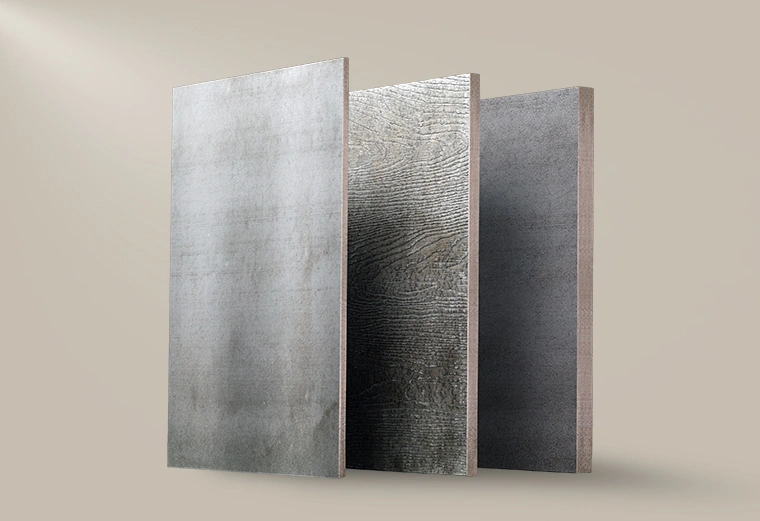
Floor panels are used to create a stable base for flooring across residential, commercial, and prefabricated projects. They support the surface layer and help maintain an even finish over time.
In most cases, flooring is not only about how it looks. It also needs to handle weight, regular movement, and small environmental changes. Because of these factors, floor panels are used where the base needs to remain steady after installation.
Bison Panel floor panels are applied in such situations where the expectation is simple. The floor should stay as it is, without frequent correction.
What Exactly Are Floor Panels?
Floor panels are boards used to form a flat surface before the final flooring is applied.
They are often used below tiles, laminates, or other finishes. In some cases, they are also part of the visible flooring system.
At the site level, their role is obvious. They hold the surface in place.
But the difference shows after some time.
Some panels start reacting once they are exposed to moisture. Some develop slight bends. Sometimes the issue is small in the beginning, but it becomes visible later.
Bison Panel floor panels are made with a mix of cement and wood particles. This gives them weight and strength, but they can still be handled and cut without much difficulty.
They do not feel loose after fixing. At the same time, they are not so rigid that they start cracking under normal use.
Why Are Floor Panels Being Used More Often?
There is a gradual shift in how flooring work is done.
Many projects are trying to avoid processes that take too long or depend too much on the site conditions.
Traditional floor methods usually involve multiple steps, such as levelling, setting, waiting, and finishing.
Even after that, the surface is not always consistent. Floor panels reduce some of this dependency.
They provide a ready base that can be worked on directly. Once fixed, the next stage does not have to wait much.
It does not remove all work, but it reduces the chances of uneven results.
Where Are Floor Panels Used in Real Projects?
Floor panels are used in different types of spaces. They are not limited to one kind of construction.
In Residential Spaces
In homes, they are usually placed below the final flooring layer.
Once installed, bedrooms, living rooms, and even kitchens stay in place without much movement. Usually, you won’t notice them again. That is the point.
In Commercial Areas
Commercial spaces behave differently. There is constant movement. Chairs drag. Equipment shifts. People walk throughout the day.
If the base is weak, it starts showing early. Floor panels are used here to keep the surface steady, even when usage increases.
In Prefabricated Construction:
Prefab work depends on speed. Delays create problems. Rework is not preferred.
Floor panels are used because they can be installed quickly and provide a surface that is ready for the next step. This helps keep the work moving without interruption.
In Raised or Mezzanine Floors
In raised flooring or mezzanine areas, the load is not always evenly distributed. The floor needs to hold weight and remain stable at the same time.
Floor panels are used in such cases because they sit firmly once fixed. They do not feel temporary or loose.
Durability That Stays Consistent Over Time
A flooring base should not require attention again and again.
Bison Panel floor panels are used in projects where the expectation is that the floor will remain stable without frequent checking.
They:
- Do not react quickly to moisture
- are not affected by termites
- handle regular load without visible cracks
- remain steady even with temperature changes
This feature reduces the need to keep patching small issues.
Stability That Prevents Surface Issues
Some flooring problems are not visible on day one.
They appear later. A slight shift in the base can lead to cracks in tiles or uneven edges over time.
Floor panels help reduce these problems. Their structure spreads the load more evenly. That helps avoid pressure in one area.
You may not notice the improvement immediately, but after a few months, the difference becomes clearer.
Installation That Keeps Work Moving
Flooring work can slow down a project’s:
- Drying time.
- Levelling.
- Multiple steps.
Floor panels reduce part of this process.
They can be cut and fixed without complicated steps. Once they are in place, work can move ahead without long waiting periods.
This method aids in planning for contractors.
It means the space is prepared more quickly for homeowners.
Flexibility in Final Flooring Finish
Using floor panels does not limit the finishing options.
Tiles, laminates, vinyl, and carpet – all of these can be applied on top, depending on the requirements.
The base remains the same.
If the finish needs to be changed later, it can be done without disturbing the entire structure.
A Practical Choice for Long-Term Use
Most flooring looks fine when it is new. The real test is after regular use.
Often, small issues start appearing, such as slight unevenness, cracks, or areas that need repair.
Floor panels are used to reduce such problems from the beginning. The base they provide remains stable, preventing any significant impact on the top layer.
Why are Bison panel floor panels used across projects?
Different materials are available for flooring.
Some are chosen because they are cheaper. Some because they look better.
Bison Panel floor panels are used where the requirement is to avoid repeated issues later.
They are:
- strong, but still workable
- stable under regular use
- suitable across different types of projects
These features make them useful in both residential and commercial spaces.
Thinking About Flooring as a System
Flooring is often selected based on the final look. But the base matters just as much.
If the base is not stable, the finish will not hold properly over time. Floor panels help create a base that stays consistent. Once that is done, the rest of the flooring becomes easier to manage.
FAQs
Can floor panels handle daily wear and tear?
Yes, they are used in areas with regular movement and remain stable under normal usage.
Are they affected by moisture?
They perform better than typical wood-based boards when installed correctly.
Do they need regular maintenance?
No, basic surface care is usually enough.
Can different finishes be applied to them?
Yes, tiles, laminates, vinyl, and carpet can be used.
Is the installation complicated?
No, the process is straightforward and does not involve long delays.