Fireproof Wallboard for Wall Applications and Fire Safety Use
Home » Fireproof Wallboard for Wall Applications and Fire Safety Use
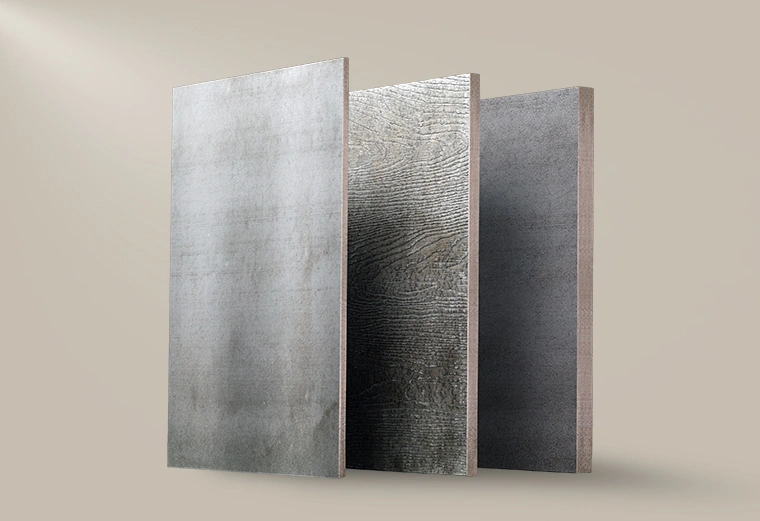
A fireproof wallboard is used in wall systems where resistance to fire exposure is required, along with surface stability. It is applied in internal walls, partitions, and sections where flame spread needs to be controlled.
In most projects, the board is not treated as a separate layer. The board itself becomes part of the wall system.
The Bison Panel is used in such cases where the wall is expected to handle both regular use and fire exposure without depending on multiple materials.
What is a Fireproof Wall Board Used For?
A fireproof wallboard is installed in areas where wall surfaces are expected to resist ignition and slow down fire movement.
You will usually see it used in the following contexts:
- partition walls
- internal panelling
- service areas
- corridor walls
At the site level, it is selected along with the wall layout. Not later.
It sits behind the finish but plays a role in how the wall behaves during heat exposure.
Fire Safety in Wall Construction
Fire safety is not always visible once the project is complete. But it is considered early.
In buildings with interconnected rooms or sections, walls are expected to withstand fire for a certain period.
A fireproof wall board helps in that situation.
It does not stop fire completely. That is not the job. What it does is slow things down. That delay matters more than it sounds.
What Happens During Fire Exposure?
When heat builds up, some wall materials start to weaken quickly.
Edges crack. Surfaces lose shape.
In some cases, heat passes through faster than expected.
A fireproof wallboard is used to reduce that effect.
It:
- does not catch fire easily
- holds its form for longer
- slows heat transfer
This is why it’s used in high-risk fire areas or where movement between spaces needs to be controlled.
Wall Applications Where It Is Commonly Used
The use of a fireproof wallboard depends on the type of space.
It is not limited to one type of wall.
Partition Walls in Offices: In office layouts, partitions are placed close together. Cabins, meeting rooms, work areas and everything are connected.
If fire spreads in one section, it should not move quickly to the next. That is why fire-resistant boards are used in partitions. It adds a layer of safety without changing the design.
Internal Wall Panelling: This material is used in wall panelling where finish is important, but safety cannot be ignored.
Seen in:
- residential interiors
- hotels
- commercial spaces
From the outside, it looks like any other finished wall.
Inside, the board handles the load and heat resistance.
Electrical and Utility Areas: Certain areas carry more risk. Electrical rooms, service shafts, and kitchens are not treated the same as regular walls.
A fireproof wallboard is used here more carefully. Because once heat builds up in these zones, it spreads faster.
Corridors and Exit Routes: Corridors are not just passageways. They are part of the emergency movement.
Walls in these areas are expected to stay usable during fire exposure. The boards used here are selected based on how long they can hold.
Industrial and Institutional Use: In factories, schools, and hospitals, wall systems are planned differently.
There is more focus on control. Not just design.
A fireproof wall board is used where sections need to remain separated during heat exposure.
Why is Bison Panel used in these wall systems?
Bison Panel is used in applications where a single board is expected to perform across multiple wall types.
It is applied in:
- partitions
- internal walls
- service areas
Instead of adding layers later, the board itself becomes part of the wall design.
At the site level, this approach reduces extra work. Also keeps the system consistent.
Before Selecting a Fireproof Wall Board
Selection usually depends on how the wall will be used.
Some basic checks:
- type of area
- exposure to heat
- position of the wall
- level of usage
In most projects, the height is decided along with the layout, not after finishing work begins.
What Changes After Installation?
At the time of completion, most walls look similar. Paint, panel, and finish everything cleanly.
The difference shows later. In areas exposed to heat or constant use, some surfaces start reacting early.
A well-chosen fireproof wallboard does not show that quickly. It holds its shape. That is usually noticed after some time, not immediately.
Conclusion
A fireproof wall board is used in wall systems where fire resistance and structural stability are required together.
It is applied across partitions, internal panelling, and high-risk areas where controlling fire spread becomes important.
Bison Panel is used in these applications as a single material solution that supports both wall construction and fire safety requirements without additional layering.
FAQs
- Where is a fireproof wall board used most often?
Mainly in partitions, internal walls, electrical areas, and corridors where fire resistance is required.
- Does it prevent fire completely?
No, it slows down fire spread and reduces heat transfer.
- Can it be used in normal interior walls?
Yes, it is used in both regular interiors and high-risk areas.
- Is it required in office spaces?
In many cases, yes. Especially where multiple sections are connected.
- Why is Bison Panel used for fire-resistant walls?
It can be used across different wall applications without needing additional materials.