
Decorative Wall Panels for Modern Interior Design and Surface Finishing
Home » Decorative Wall Panels for Modern Interior Design and Surface Finishing
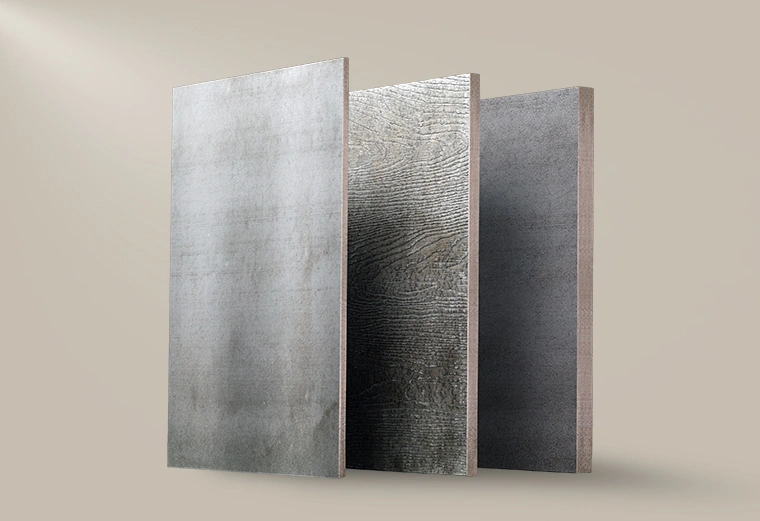
Decorative wall panels are used in interior spaces where both appearance and surface quality matter. They are applied on walls to create a finished look while also improving durability and consistency across the surface.
In most projects, these panels are not treated as an extra design layer. They are planned early, especially when the wall needs to carry a certain visual style without frequent maintenance.
The Bison Panel is used when a wall needs to be both decorative and practical.
What Are Decorative Wall Panels?
Decorative wall panels are boards or surface systems fixed onto walls to improve both design and finish. They help create flat, structured surfaces that can be painted, laminated, or textured as required.
They are commonly used in:
- living room walls
- bedroom backdrops
- office interiors
- reception areas
- commercial spaces
Many projects replace traditional wall finishing methods with decorative panels, which yield a smoother and more controlled result.
Why are decorative panels used instead of plain walls?
Plastered and painted walls do not always stay even.
Small surface issues may not be visible at first, but over time, they start to show. Painters usually notice these problems early, especially on large walls.
This area is where decorative wall panels are used.
They help create:
- a more uniform surface
- better alignment across large areas
- fewer visible imperfections
In practical terms, they reduce rework. Once installed properly, the surface behaves more predictably.
Decorative Uses in Interior Spaces
Decorative panels are used in different ways depending on the design requirement. Not every space needs the same treatment.
Feature Walls
In many homes and offices, one wall is treated differently to create focus.
This treatment is usually done in:
- living rooms
- bedrooms
- waiting areas
Panels are used here to create lines, sections, or simple patterns. Occasionally, the design is minimal. Occasionally, it is more detailed.
A decorative wall panel helps maintain sharp edges and consistent spacing, which is difficult to achieve with direct plaster work.
Full Wall Covering
Some projects require all walls in a room to have the same finish.
Such an approach is common in the following:
- office cabins
- conference rooms
- hotels
- retail interiors
Instead of finishing each wall separately, panels are used to create a continuous surface.
This makes the room feel more structured.
Panelling with Grooves or Sections
In certain designs, walls are divided into vertical or horizontal sections.
This procedure is done using panels because:
- Spacing remains consistent
- alignment stays clean
- The finish looks planned, not random
Premium interiors often feature this type of work, but standard projects also use it when a clean layout is necessary.
Back Panels for Furniture Areas
Panels are also used behind:
- TV units
- bed backdrops
- storage walls
These areas are used regularly, so the surface should not weaken or show damage easily.
Using Decorative Wall Panels here helps maintain both design and strength.
Design Advantages of Decorative Wall Panels
The advantage is not only in how the wall looks. It also relates to how the surface behaves after installation.
- Better Surface Control: Panels provide a more even base compared to direct wall finishing. This helps in achieving a cleaner paint or laminate finish.
- Consistent Alignment: In large areas, maintaining alignment can be difficult with traditional methods. Panels help keep lines straight, and spacing is uniform. This issue becomes noticeable in offices and commercial interiors where walls are longer.
- Reduced Surface Issues Over Time: After a few months, some walls start showing minor cracks or unevenness. Panels mitigate these issues by controlling the surface from the outset.
Supports Multiple Finishes
A decorative wall panel can be finished in different ways:
- paint
- laminate
- texture
This method allows flexibility without changing the base material.
Cleaner Execution on Site
At the site level, panels make work more predictable.
Instead of repeated plaster correction and sanding, the surface is prepared in advance.
This saves time and reduces variation in output.
Use in Commercial Interior Design
In commercial spaces, walls go through more use compared to homes.
People move around more. People frequently touch surfaces.
This increase is why decorative wall panels are used in the following:
- offices
- retail stores
- hospitals
- institutions
They help maintain a consistent appearance even with regular use.
Furthermore, for contractors, it becomes easier to manage large areas without repeated finishing work.
Why is the bison panel used for decorative wall panels?
Bison Panel is used in projects where the same panel must work across various interior applications.
It is suitable for:
- wall panelling
- decorative surfaces
- partitions
- backing structures
This method reduces the need to switch between materials.
From a design perspective, it maintains a consistent finish. From a site perspective, it simplifies execution.
Things to Consider Before Using Decorative Wall Panels
Before selecting a decorative wall panel, we typically check a few practical factors:
- wall size and layout
- type of finish required
- usage level of the space
- exposure to moisture or heat
These factors affect how the panel performs after installation.
Not every wall needs the same approach.
What Becomes Noticeable After Installation?
Most interiors look fine immediately after completion.
The difference appears later.
After regular use:
- Some surfaces lose alignment
- Some show minor issues
- Some need touch-ups
Panels help reduce these problems.
A properly installed decorative wall panel tends to hold its finish better over time.
Conclusion
Decorative wall panels are used to improve both the appearance and performance of interior walls. They help create controlled surfaces that remain stable and consistent over time.
Bison Panel fits into these applications by allowing a single panel solution to be used across different interior requirements, making the process more straightforward for both design and execution.
FAQs
1. Where are decorative wall panels commonly used?
They are used in living rooms, bedrooms, offices, and commercial spaces where a clean and structured wall finish is required.
2. Are decorative wall panels only for design purposes?
No. Along with design, they help improve surface quality and reduce long-term maintenance.
3. Can decorative wall panels be painted or laminated?
Yes. They support different finishes such as paint, laminate, and textured coatings.
4. Do decorative wall panels reduce wall maintenance?
They help reduce surface issues and make maintenance more manageable compared to regular wall finishes.
5. Are decorative wall panels suitable for commercial spaces?
Yes. They are widely used in offices, retail stores, and institutions due to their consistent finish and durability.