
Cement Panel Board for Durable Construction and Interior Applications
Home » Cement Panel Board for Durable Construction and Interior Applications
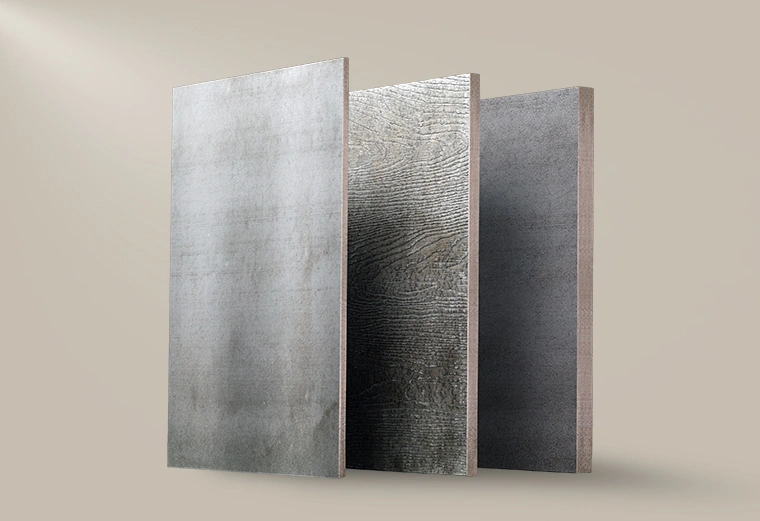
Construction requires the use of a cement panel board for strength, surface stability, and long-term performance. It is commonly applied across interiors, exterior panelling, and structural support areas.
On-site conditions are usually uncontrolled.
- Walls are exposed to moisture.
- Heat builds up over time.
- Surfaces go through daily wear.
This phase is where material choice starts to matter.
A cement panel board is not selected only for the initial finish. It is used where the expectation is that the surface should hold without frequent repair.
Bison Panel is used in such cases where performance is expected to remain consistent across different conditions.
Not Just Another Board. A Practical Material Choice
A cement panel board is made by combining cement with processed wood particles.
In actual use, this combination creates a board that behaves differently from standard materials.
It offers:
- The strength of cement where load and stability are required
- The workability of wood during cutting and fixing
This combination is the reason it is used in areas where regular boards start showing issues.
Why do builders shift toward cement panel boards?
Material changes usually come after repeated problems.
It may start small.
- A cabinet swelling.
- A partition is losing alignment.
- An exterior panel is ageing faster than expected.
After a few such cases, the approach changes.
A cement panel board is then used to avoid repeating the same issues.
At the site level, the thinking is straightforward: not trying something new but avoiding what didn’t work earlier.
Strength That Shows Without Explanation
Some materials need a detailed comparison.
This one doesn’t.
A cement panel board feels dense and stable when handled. It does not bend easily under pressure.
Because of its properties, it is used in:
- flooring base layers
- structural partitions
- commercial interiors with regular usage
It does not require constant protection during use. It can handle rough conditions better than many conventional boards.
Handling Moisture, Termites, and Heat
In most Indian projects, three factors show up repeatedly:
moisture, pests, and heat.
Many materials have one or two. Few manage all three together.
A cement panel board performs better in such conditions.
- It does not swell the way wood-based boards do
- Termites do not affect it in the same way
- Heat exposure does not weaken it quickly
Over time, the process results in better surface stability.
Where Is It Commonly Used?
A cement panel board is not limited to a single application. It is used across different parts of a project.
Interior Applications
- office partitions
- wardrobes
- false ceilings
- kitchen areas
Exterior Applications
- wall cladding
- facades
- exposed panel surfaces
Structural and Utility Areas
- prefab units
- flooring layers
- site cabins
In many projects, the same board is used in multiple areas. This reduces dependency on different materials for each use.
Durability Shows Over Time
Most materials perform well at first.
The difference appears later.
After regular use, some surfaces begin to shift or weaken. Some require repair sooner than expected.
A cement panel board tends to hold its shape longer. It does not twist or crack easily under normal conditions.
More importantly, it reduces the need for repeated maintenance.
This phase is where the actual value becomes visible.
Workability at Site Level
Stronger materials often raise a concern:
Will it be difficult to handle?
A cement panel board balances these concerns.
Because of the wood content, it can still be:
- cut
- drilled
- fixed
This approach makes installation manageable without treating it like a rigid cement slab.
On-site execution remains practical.
Why is Bison Panel Preferred?
At some stage, selection comes down to consistency.
Bison Panel is used across projects where a cement panel board is expected to perform across different applications.
It supports:
- interior panelling
- exterior use
- structural applications
The reason it continues to be used is simple.
It performs as expected.
Architects and contractors generally avoid frequent changes in core materials. Once a material works reliably, it continues to be used across projects.
Comparison with Common Alternatives
Other materials are still widely used.
- Plywood is easy to handle
- MDF provides a smooth finish
- Gypsum is lightweight
But each has limitations under certain conditions.
- moisture-related issues
- lower strength in heavy-use areas
- shorter lifecycle in demanding environments
A cement panel board is not the lightest or the easiest, but it is more stable when conditions become less controlled.
Where does it make more sense?
Not every space requires this material.
But in some areas, it becomes a practical choice.
- high-usage interiors
- moisture-prone locations
- long-term installations
- commercial projects
In such cases, using a cement panel board helps avoid repeated corrections later.
What Changes at the Site Level After Using It?
At the site level, the difference is not always visible on day one. It shows later. Finishes stay aligned, joints hold better, and there is less need for patchwork.
Painters and contractors usually notice these changes first because the surface behaves more consistently. A cement panel board reduces slight corrections that often take time during finishing.
It does not eliminate all issues, but it keeps things more controlled compared to materials that shift or react after installation.
Conclusion
Construction decisions are usually based on long-term performance, not just initial cost.
A cement panel board is used where the expectation is to complete the work once and avoid frequent rework.
Bison Panel fits into this requirement by offering a material that performs across different applications without frequent issues on-site.
FAQs
1.Where do people actually use a cement panel board?
People primarily use cement panel boards for partitions and wall panelling. On some sites, even ceilings or outside cladding depend on the requirement.
2. Is it better than plywood always?
Not always. For simple dry areas, plywood is fine. But where moisture or long use is present, the laminate usually gives fewer problems.
3. Can it go inside a kitchen setup?
Yes, people do use it. This is especially true near sinks or heat sources, where other boards may start reacting.
4. Is working with it difficult?
Not really. Cutting and fixing are manageable. Carpenters adjust to it after one or two uses.
5. Will it need repair later?
Fewer chances. Nothing is zero, but compared to other boards, it stays stable longer.