
Panel Door Design for Interior Doors, Entry Doors and Practical Applications Use
Home » Panel Door Design for Interior Doors, Entry Doors and Practical Applications
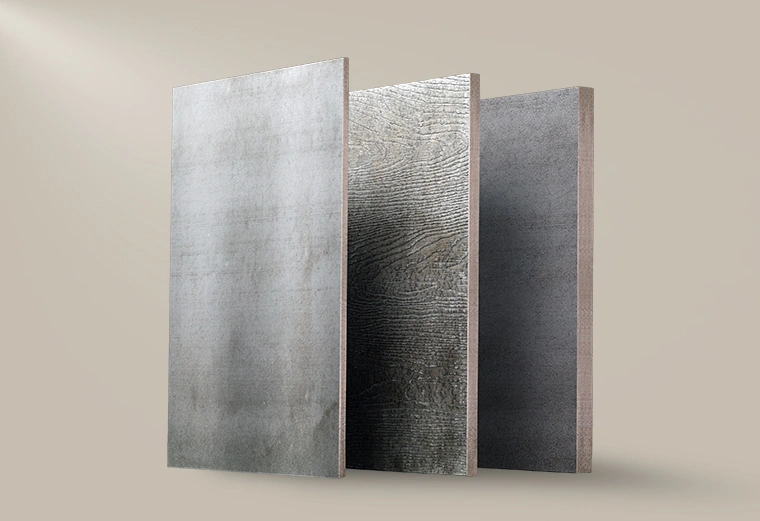
A panel door design is used in residential and commercial buildings for doors that need to stay stable with regular use. It is commonly applied in room doors, main entry doors, office cabins, and internal partitions.
In most projects, the door is handled multiple times a day. For that reason, the design is expected to hold shape, close properly, and not create issues after installation.
The bison panel is used in panel door structures where the requirement is not only design but also consistency over time.
What Does a Panel Door Design Actually Mean?
A panel door design makes a frame that holds panels fixed inside. These panels may be plain or divided into sections, depending on the layout.
You will see this type of door in almost every kind of building.
Not because it looks different. Because it works.
The panel structure helps distribute stress across the door. So instead of the entire surface taking pressure, it is shared across sections.
This feature becomes useful after regular use. Doors open, close, and get pushed, sometimes slammed. Over time, that matters.
Common Panel Door Design Styles Used on Site
The design is not fixed. It changes based on the space.
- Single Panel Layout: Used in basic interior doors. Straightforward, no extra detailing.
- Double Panel Layout: Seen in larger openings or entry points. Gives a bit more width and balance.
- Multi-Panel Doors: These doors are used when they are part of the interior look. This style is common in offices and some residential interiors.
- Flush Panel Type: Looks flat from the outside. Inside, the panel structure is still there. Used where a simple finish is needed.
- Pattern-Based Panels: Panels are arranged with grooves or sections, usually used in visible areas like living rooms or cabins.
Where is the panel door design used?
A panel door design is used across different areas in the same building.
In homes:
- main doors
- bedroom doors
- kitchen access
In offices:
- cabins
- meeting rooms
- internal divisions
In other buildings:
- schools
- clinics
- workspaces
The usage changes, but the expectation stays the same. The door should not create problems after a few months.
Why Is This Design Still Preferred?
There are many door options available now, but this design is still widely used.
One reason is structure. A panel door design does not rely on a single flat surface. It is supported by sections that help the door stay in shape.
Another reason is repair. If something goes wrong, it is easier to handle compared to a fully solid door.
Furthermore, from a work perspective, it fits into different interior types without much adjustment.
What Happens After Installation?
On the day of installation, most doors feel fine.
The real difference starts later.
After a few months of use:
- Some doors start rubbing at the edges
- Some don’t close properly
- Some lose alignment
This issue may not be immediately noticeable. It shows up slowly.
A well-made panel door design reduces these issues because the structure supports the door better.
Material Matters More Than Design Alone
Two doors may look the same from the outside. But after some time, they behave differently.
The difference in behaviour is attributed to the materials.
If the base is not strong:
- screws loosen
- hinges shift
- panels may weaken
This is why the type of board used inside the door matters.
The Bison Panel is used where the door needs to handle daily use without frequent adjustments.
Panel Door Design in Interior Planning
Doors are not selected separately anymore. In most projects, they are matched with the interior.
A panel door design is often aligned with the following:
- wall panels
- partition finishes
- storage units
Therefore, the door does not stand out as a different element. It blends into the space.
Offices, where planners design cabins, walls, and doors together, exhibit this phenomenon more prominently.
Things Usually Checked Before Finalising a Door
Before selecting a panel door design, some basic points are considered.
Not always written down, but checked on site.
- Where the door will be used
- How often will it be used
- Whether it faces outside conditions
- What finish is required
A main door and a bedroom door are not treated the same. That decision affects how the door performs later.
Why is a bison panel used in door applications?
The Bison Panel is used in panel door construction, where the requirement is to maintain shape and support repeated use.
It fits into:
- interior doors
- partition doors
- entry-level applications
Instead of using different materials for each type, one board can be used across multiple door setups.
This helps during execution. Less variation. Fewer adjustments.
Conclusion
A panel door design is a common choice in both residential and commercial spaces because it offers a balanced structure.
It is used across different areas where doors need to stay functional without constant repair.
Bison Panel supports these applications by providing a base that works across multiple door types and usage conditions.
FAQs
1. What is a panel door design?
It is a door made with a frame and internal panels, used for strength and stability.
2. Where is the panel door design commonly used?
It is used in homes, offices, and institutions for main doors, room doors, and partitions.
3. Why is panel door design preferred?
Panel door designs are preferred because they help the door maintain its shape and perform better over time.
4. Can panel door designs be customised?
Yes, panel layouts can be adjusted based on size and requirement.
5. Does material affect panel door performance?
Yes, the internal material plays a major role in durability and long-term use.