
Decorative Ceiling Panels for Interior Ceiling Design and Finishing
Home » Decorative Ceiling Panels for Interior Ceiling Design and Finishing
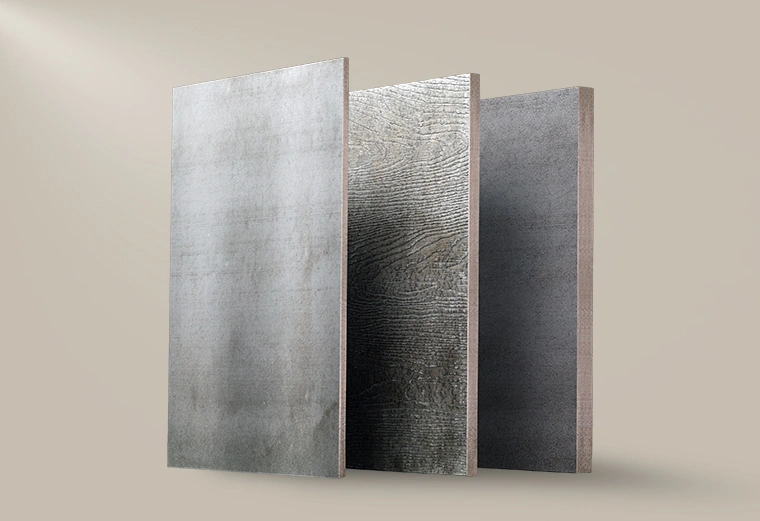
Decorative ceiling panels are used in interior projects where a proper ceiling finish is required, along with space to manage wiring, lighting, and other services. They are installed below the main ceiling to create a clean, workable surface.
In many buildings, the slab above is not perfectly even. Small level differences are common. These may not be visible at first, but once lights are installed, the unevenness starts to show.
Such variation is one of the reasons panels are used. They help create a consistent surface without reworking the base structure.
The Bison Panel is used in such cases where the ceiling needs to stay stable and maintain its finish over time.
What Decorative Ceiling Panels Are Used For?
Decorative ceiling panels form a layer between the main ceiling and the visible interior surface.
They are used to:
- cover rough or uneven slabs
- hold lighting fixtures
- hide electrical wiring and ducts
- support ceiling layouts
At the site level, this step becomes important. Once the electrical work starts, there is very little room to correct mistakes.
Ceiling Work Is Not Always Straightforward
Ceiling work looks simple from the outside, but it is not.
The slab may have minor slopes. Wiring may need adjustments. Lighting points may shift during installation.
Without a panel system, all of this directly affects the final finish.
A small misalignment becomes visible later, especially under LED lighting.
That is why decorative ceiling panels are used before final finishing begins. They allow corrections to be made at the panel level instead of at the slab level.
Basic Ceiling Decoration Approaches Using Panels
Different spaces require different ceiling layouts. There is no single fixed design.
Flat Panel Ceiling
This configuration is the most common setup.
Panels are fixed on a straight, continuous surface. It works well in:
- offices
- shops
- small commercial units
It keeps the ceiling simple and easy to maintain.
Layered Panel Ceiling
In some interiors, one level is not enough.
Panels are arranged in steps or layers to create variation. This technique is often used in the following:
- living rooms
- hotel interiors
- reception spaces
The layers also help arrange lighting points.
Sectioned or Grid Ceilings
Used mostly in commercial buildings.
The ceiling is divided into sections. Each section can be accessed separately if needed.
This helps during maintenance, especially in spaces where wiring and services are frequently adjusted.
Lighting-Based Panel Layout
In many projects, the panel layout depends on lighting.
Instead of placing lights after finishing, the panel positions are planned first. This helps avoid cutting or modifying panels later.
It also keeps the alignment clean.
Simple Decorative Ceilings
Not every ceiling needs a heavy design.
Sometimes, a clean panel surface is enough.
This approach is common in:
- modern homes
- workspaces
- rental properties
A basic decorative ceiling panel setup still improves the finish compared to exposed slabs.
Benefits Seen After Installation
The effect of ceiling panels is not always visible immediately.
It becomes clear with use.
More Even Surface: Panels create a level base. Without them, small variations in the slab may reflect under lighting.
Better Arrangement of Wiring: All service lines stay above the panel layer. This keeps the visible ceiling clean.
Easier Future Work: In some setups, panels can be accessed or adjusted. This helps when repairs or changes are required.
Consistent Finish: When panels are used across multiple rooms, the ceiling looks similar throughout. Without panels, each area may look slightly different.
Stability Over Time: Ceilings face heat from lights and small temperature changes. A stable board helps avoid bending or surface damage.
Where Are Decorative Ceiling Panels Used?
A decorative ceiling panel system is used in diverse interiors.
Common places include:
- homes
- office spaces
- retail shops
- institutions
- hospitality interiors
Each space has its requirement, but the need for a proper ceiling finish remains the same.
Use of Bison Panel in Ceiling Applications
The Bison Panel is used in ceiling work where the same material is needed across multiple parts of the interior.
It is applied in:
- flat ceilings
- layered panel designs
- partition-connected ceilings
At the site level, this approach reduces variation. The finish across walls and ceilings remains consistent.
It also helps simplify material handling during construction.
Points Considered Before Installing Ceiling Panels
Before selecting a panel system, a few practical points are checked:
- ceiling height
- number of lighting points
- wiring layout
- need for future access
For instance, office spaces may require later access to wiring. In homes, the focus may be more on appearance.
These factors affect how panels are arranged.
What Happens If Panels Are Not Used Properly?
The issue is usually noticed later.
Some ceilings may start showing:
- uneven light reflection
- visible joints
- Difficulty in accessing wiring
Addressing these after completion can be challenging.
A properly planned decorative ceiling panel setup avoids these issues.
Conclusion
Decorative ceiling panels are used to create a controlled and finished ceiling surface in interior spaces. They help manage wiring, support lighting layouts, and improve the overall look of ceilings.
The Bison Panel is used in such applications where a single material is expected to work across different parts of the interior without frequent adjustments.
In most projects, the ceiling is one of the last elements to be completed. Using panels ensures that it does not become a problem later.
FAQs
- Where are decorative ceiling panels mostly used?
You’ll see them in homes, offices, shops, basically anywhere a proper ceiling finish is needed.
- Do they actually help hide wiring and ducts?
Yes, that’s one of the main reasons they’re used. Everything sits above the panel, out of sight.
- Are they only for design, or do they serve a purpose too?
Design is one part. They also help create a flat surface and support lighting work.
- Will it work in a small room?
It can. A simple layout usually works better, so the space doesn’t feel too packed.
- Do they need a lot of maintenance later on?
Not really. If installed properly, you won’t have to keep fixing the ceiling again.